

Mozambique, one of the world’s poorest nations, is embarking on an ambitious $80 billion energy transition aimed at becoming Africa’s premier hydropower producer and launching a green hydrogen industry. This strategic move, outlined in a comprehensive 60-page Energy Transition Strategy, emphasizes the country’s vast reserves of hydropower, wind, solar, and natural gas resources. The plan envisions adding 14,000 megawatts of hydropower capacity between 2030 and 2040, positioning Mozambique to rival hydro-centric powerhouses like Ethiopia and the Democratic Republic of Congo.
Despite its economic challenges, Mozambique possesses vast energy assets, including hydropower, wind, solar, and natural gas resources. The strategic utilization of these resources is central to the government’s plan to transition from a predominantly agrarian economy to a middle-income industrialized nation. The Zambezi River, Africa’s fourth longest, lies at the core of Mozambique’s proposal.
Key Focal Areas
Hydropower Expansion:
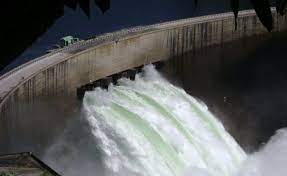
Central to Mozambique’s energy overhaul is the Zambezi River, Africa’s fourth longest, where the country already operates the 2,075-megawatt Cahora Bassa power plant. The proposed expansion aims to add 9,000 megawatts of hydropower capacity in the coming decade, with further investments planned beyond 2040. This move positions Mozambique to compete with global leaders in hydroelectric power, such as Ethiopia’s Blue Nile hydropower plant and the Democratic Republic of Congo’s proposed Grand Inga, potentially the world’s largest hydro project.
Green Hydrogen Program:
In addition to hydropower, Mozambique is set to launch a pioneering green hydrogen industry, with plans to establish a hydrogen program later this year. This strategic initiative aligns with global efforts to transition towards clean energy sources and underscores Mozambique’s commitment to leveraging its abundant renewable resources for economic growth.

In the short-term:
International Funding and Collaboration: To fund this ambitious transition, Mozambique is seeking international investments, following the trend of developing nations like South Africa, Indonesia, Vietnam, and Senegal, which have secured substantial financial pledges for cleaner energy initiatives. The government underscores the need for private investment, citing its inability to self-fund such extensive programs.
In the short term, the construction of the 1,500-MW Mphanda Nkuwa dam, led by a consortium including TotalEnergies SE and Japan’s Sumitomo Corp., is underway. There are considerations to redirect 1,150 MW of power from the Cahora Bassa plant, currently supplied to South Africa, for domestic use. The establishment of industrial parks using clean energy is also on the agenda, offering immediate economic diversification.
Long-term Projections and Recommendations:
Between 2030 and 2040, Mozambique aims to increase hydropower capacity by 9,000 MW, further solidifying its position in Africa’s hydropower landscape. The long-term impacts include the potential transformation of the economy, attracting billions of dollars in revenue from natural gas projects in the north. However, challenges such as delays in construction due to an Islamist militant insurgency may impact the timeline.
The $80 billion investment required by 2050 signifies a substantial financial commitment, necessitating a combination of public and private funding. Mozambique’s strategy should focus on creating a conducive environment for international investments, emphasizing the potential return on investment and long-term sustainability. Engaging in partnerships with global organizations, development banks, and private investors will be crucial.
Moreover, Mozambique’s energy strategy should align with global trends, incorporating emerging technologies like electric vehicles, green hydrogen, and digitalization. Collaborations with international experts and organizations can facilitate knowledge transfer, aiding in the adoption of best practices.
As Mozambique charts its course towards becoming a sustainable investment destination, collaboration at the regional and continental levels should be prioritized. Engaging neighboring countries and regional bodies will foster a holistic approach to energy development and enhance energy security.
Conclusion
Mozambique’s $80 billion energy transition represents a significant leap towards sustainable development, positioning the nation as a key player in Africa’s green energy landscape. With a comprehensive strategy that combines hydropower expansion and the launch of a green hydrogen industry, Mozambique is not only addressing its energy needs but also striving to become a regional energy hub. As the country seeks international investments, it underscores the importance of collaboration to achieve its ambitious goals, setting a compelling example for other developing nations navigating the path towards a greener and economically robust future.
Mozambique’s $80 billion green energy initiative is a bold and transformative step towards a sustainable, industrialized future. With strategic planning, international collaborations, and a commitment to harnessing its abundant resources, Mozambique has the potential to emerge as a leader in Africa’s clean energy transition, setting a precedent for other developing nations to follow suit.


