

Kenya’s geopolitical influence immensely affects the East African Regional order, and most significantly, regional cooperation and integration. A New regime in Nairobi will most certainly tilt the particular geopolitical tectonic plates. Today, Nairobi influences regional cooperation from 3-dimensions, it’s domestic and regional infrastructure initiatives, economic integration initiatives (geo-economics), and the relative decline of US relations with the allies in the region. The engendering of a new regional order in Nairobi, massive infrastructure development, and subsequent basing of Kenya Defense Forces (KDF) in DR-Congo, Somalia, & Southern Sudan have served to entrench previously existing patterns of regional cooperation. The new Admin in Nairobi at its formative stage, will leverage on that and seek to counterbalance the strategic partnerships between it and other regional powers such as Uganda.
Democratic ‘political change’ in Kenya has been in the horizon, and regional neighbors have been gradually adapting to the possibility of a new regime. A New regime often has to draw and adopt new policy lines whereby it’ll exploit geo-economic instruments that include: trade control, investment policy, economic and financial cooperation, energy and commodities. Geo-strategically, a new regime will reset regional military & security intelligence cooperation to safeguard its National Security.
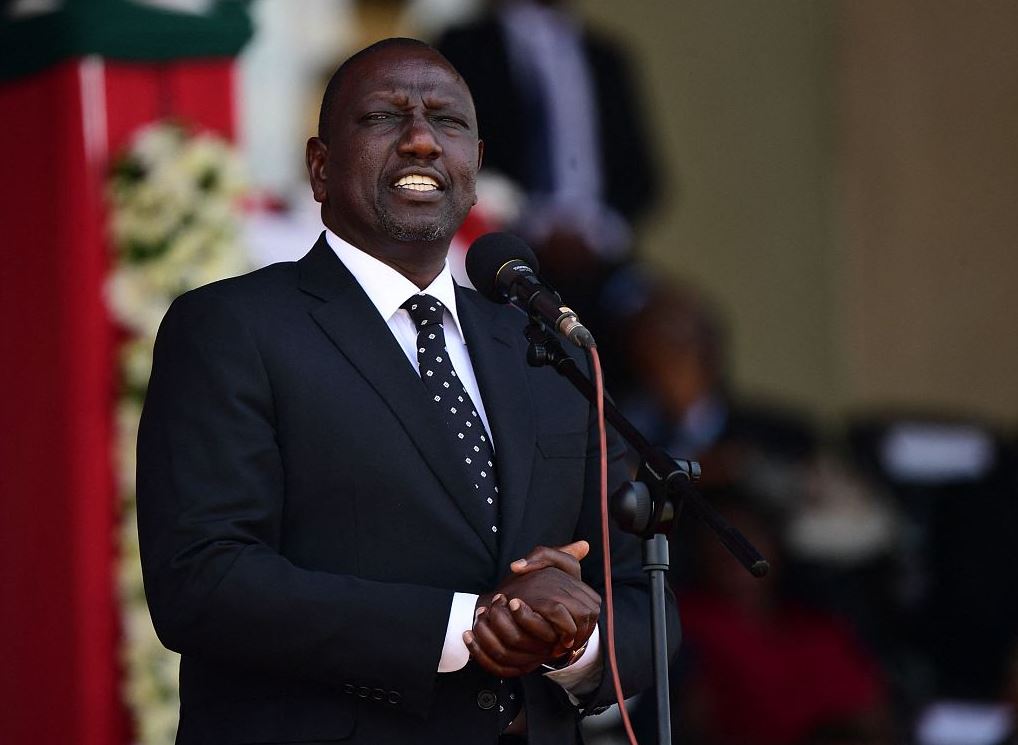
Dr William Ruto, Kenya’s new President, is not a stranger to Government business management, nor the region’s leadership and politics. He knows the Kenyan state is the normative political subject of international law and geographical placement. Stronger regional ties often bears fruit, however too many concessions thaws geo-strategic value and geopolitical power, hence there must be cautious trade-offs.
The Far- East Africa (DR-Congo, Rwanda, Burundi, & Uganda) is an important economic bloc to the Regionalism, however, it remains socio-politically tensile. The Far-East Africa states have been embroiled with increasing frequency in conflicts among themselves, including trade wars, border disputes and disagreements over resources in DR-Congo. Kenya has been mending these tensile relations to an extent it formulated a regional military stabilization force to quell proxy subversive operations in theater. The incursions launched by M23 Rebels into Eastern DR-Congo provoked a series of recriminations amongst the Far-East African States, particularly Rwanda, DR-Congo & Uganda. This sharply exposed their inability to strategically forge alliances that can offset the decades-long ethno-political & economic armed conflicts, and that, perhaps is, a geo-strategic opportunity for Kenya. Dr Ruto will certainly review this and opt to either scale down or escalate these efforts to achieve better geopolitical outcomes.
Somalia and Ethiopia are both plagued by domestic ethno-political conflict. The Ethiopian Army continues to suffer humiliating defeat against the resurgent Tigray Defense Forces and the Sudanese army further weakening the large East African country. Kenya’s largest Telco, Safaricom in past 1year has invested billions of shillings in Ethiopia and a prolonged armed conflicts and political instability will have severe economic ramifications that would adversely affect Nairobi’s weak domestic economy.Managing to bring peace to Addis will be a priority but must be done so cautiously due to geo-strategic complexes therein.
Somalia is home to Al-Qaeda’s most dangerous affiliate Harakat Al-Shabaab al-Mujahideen yet a very attractive trade partner. The persistent terror threats and border security challenges makes Mogadishu a priority when reviewing the geopolitical landscape and outlook in the medium term. While Gulf States influence trajectories of diplomatic and economic relations with Somalia, the neighbor aspect can be exploited; and that gives Nairobi a chance to directly chart a path with Mogadishu. Uganda, Southern Sudan and Tanzania have traditionally remained pro-Kenya despite instances of trade tariffs and border customs disagreements. It will be easy to cement and leverage on the existing good relations.
The fact is, Dr William Ruto’s fledgling administration has a monstrous geopolitical task ahead. His diplomacy team must be apt and deep in understanding the complex aspect of geopolitical power and geo-strategy. Geopolitical mistakes often bring far-reaching consequences including other countries trying to fill the resulting power vacuum through brute force and subversive activities. To achieve some of these geopolitical objectives, President William Ruto must ensure Kenya’s geopolitical power is not solely based on its military force, rather on strategic autonomy and geo-economics.


